
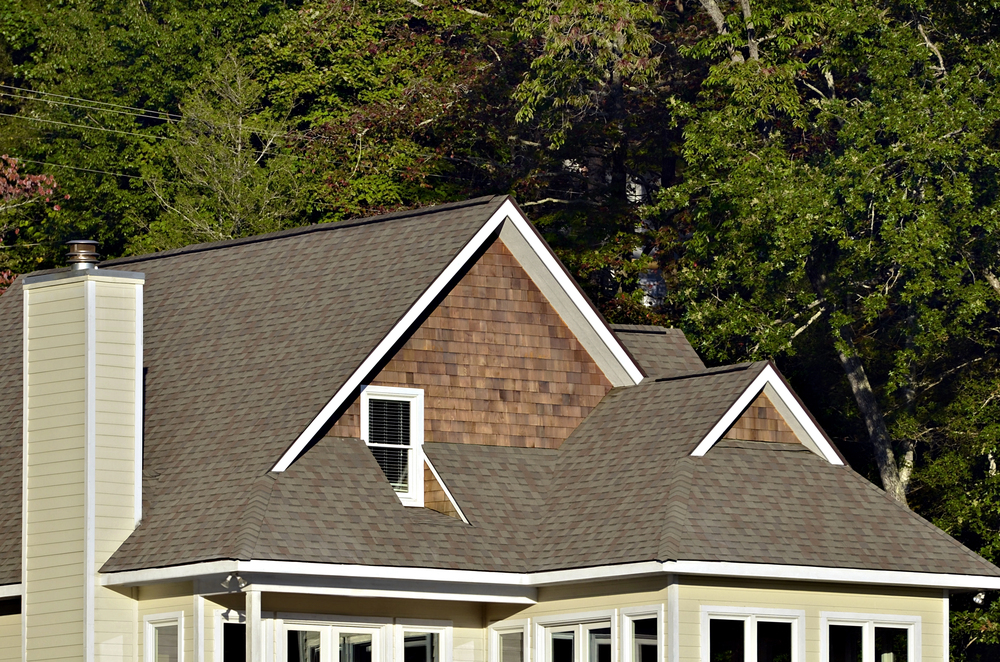
When homeowners ask us what is roof pitch, they’re usually trying to understand why their roof looks the way it does — or why they’re dealing with leaks, drainage issues, or higher replacement costs. Roof pitch plays a major role in how your roof performs, how long it lasts, and what materials can be used on your home. If you’re unsure about your roof’s pitch or condition, we’re always here to help — just call Davis Brothers Roofing at 423-357-7190 to schedule a professional inspection.
What Is Roof Pitch?
Simply put, roof pitch refers to how steep your roof is. It’s measured as the number of inches your roof rises vertically for every 12 inches it extends horizontally. For example, a 6/12 pitch means the roof rises 6 inches for every 12 inches of run.
When we’re providing a roof pitch explained breakdown to homeowners, we often compare pitch to slope. While the terms are sometimes used interchangeably, there is a subtle difference in the discussion of roof slope vs roof pitch. Pitch traditionally refers to the ratio of rise to the entire span of the roof, while slope refers specifically to rise over run. In modern roofing conversations, though, most contractors use “pitch” and “slope” to mean the same thing.
Understanding your roof’s pitch gives us critical information about drainage, ventilation, material compatibility, and structural design.
How to Measure Roof Pitch
Many homeowners ask us how to measure roof pitch. While it can be done from inside the attic using a level and tape measure, it’s not something we recommend doing on your own from the exterior. Climbing onto a roof — especially a steep one — can be dangerous without proper safety equipment.
Inside the attic, we measure how many inches the roof rises vertically over a 12-inch horizontal span. That measurement gives us the pitch ratio. However, when safety or accuracy is a concern, it’s always best to have our team handle the inspection professionally.
Why Roof Pitch Matters for Your Home
You might be surprised at why roof pitch matters so much. The angle of your roof affects nearly every aspect of its performance.
Drainage & Water Runoff
One of the biggest factors in roof pitch and drainage is how quickly water moves off the surface. Steeper roofs shed rainwater faster, which reduces the likelihood of pooling and leaks. Lower slope roofs allow water to drain more slowly, which means they require specialized underlayment and waterproofing materials.
In areas that experience heavy rain, proper pitch is essential to prevent long-term moisture damage.
Snow & Storm Performance
If you live in an area with snow or strong storms, pitch becomes even more important. Steeper roofs shed snow more easily, reducing structural stress. On lower slopes, snow can accumulate and increase weight load.
Wind performance also varies. Extremely steep roofs may catch wind differently than moderate slopes, which is something we evaluate carefully when recommending materials and installation methods.
Roofing Material Options
Another major reason why roof pitch matters is material compatibility. Not every roofing material works on every slope.
For example:
- Asphalt shingles typically require a minimum pitch to function properly.
- Metal roofing is versatile and can work on both moderate and steeper slopes.
- Very low slope roofs may require membrane or specialty systems.
When homeowners compare low slope vs steep roof designs, material flexibility is one of the biggest differences. Choosing the wrong material for your pitch can lead to premature failure.
Energy Efficiency & Ventilation
Roof pitch also impacts attic space and airflow. Steeper roofs often create more attic volume, which can improve ventilation when properly designed. Ventilation affects how heat escapes during summer and how moisture is managed year-round.
Proper airflow can extend the life of your roofing system and reduce strain on your HVAC system.
Curb Appeal & Home Value
Beyond performance, pitch dramatically influences curb appeal. A steep roof can give a home a more traditional or dramatic appearance, while lower slopes often create a modern look.
When we help homeowners evaluate how roof pitch affects roofing materials, we also discuss how those materials will complement the architectural style of the home. The right combination of pitch and material can increase property value and visual appeal.
Low Slope vs Steep Roof: Pros and Cons
Homeowners often ask us to compare a low slope vs steep roof system.
Low Slope Roofs
Pros:
- Modern aesthetic
- Easier accessibility for maintenance
Cons:
- Slower drainage
- Limited material options
- Greater waterproofing requirements
Steep Roofs
Pros:
- Faster water runoff
- Broader shingle compatibility
- Often longer lifespan
Cons:
- Higher labor costs
- Increased safety requirements during installation
Each type has its place. What matters most is matching the right system to your home’s structure and local weather conditions.
Does Roof Pitch Affect Replacement Costs?
Yes, it does. Steeper roofs require additional safety equipment, specialized staging, and more labor time. That can increase overall installation costs. Lower slopes may require premium waterproofing systems instead.
When homeowners understand how roof pitch affects roofing materials and labor complexity, they’re better prepared for accurate estimates and long-term planning.
Why Homeowners Trust Davis Brothers Roofing
At Davis Brothers Roofing, we’ve worked on roofs of every pitch and style. We understand how local weather conditions impact roofing systems, and we tailor every recommendation to your specific home.
When we perform inspections, we evaluate:
- Pitch and structural integrity
- Drainage performance
- Material compatibility
- Ventilation systems
- Long-term durability
We believe in clear communication and honest assessments. Whether you need minor repairs or a full replacement, we take the time to explain your options and answer your questions thoroughly.
What Is Roof Pitch and Why It Matters for Your Home
Understanding what is roof pitch helps you make smarter decisions about repairs, replacements, and long-term maintenance. From roof pitch and drainage performance to material compatibility and cost considerations, the angle of your roof affects far more than most homeowners realize.
If you have questions about your roof’s slope, need help with how to measure roof pitch, or want expert guidance on your options, we’re here to help. Call Davis Brothers Roofing at 423-357-7190 today to schedule your professional inspection. We’ll make sure your roof is built — and maintained — to protect your home for years to come.
Be sure to follow us on Facebook and Instagram for the latest roofing tips and news.