
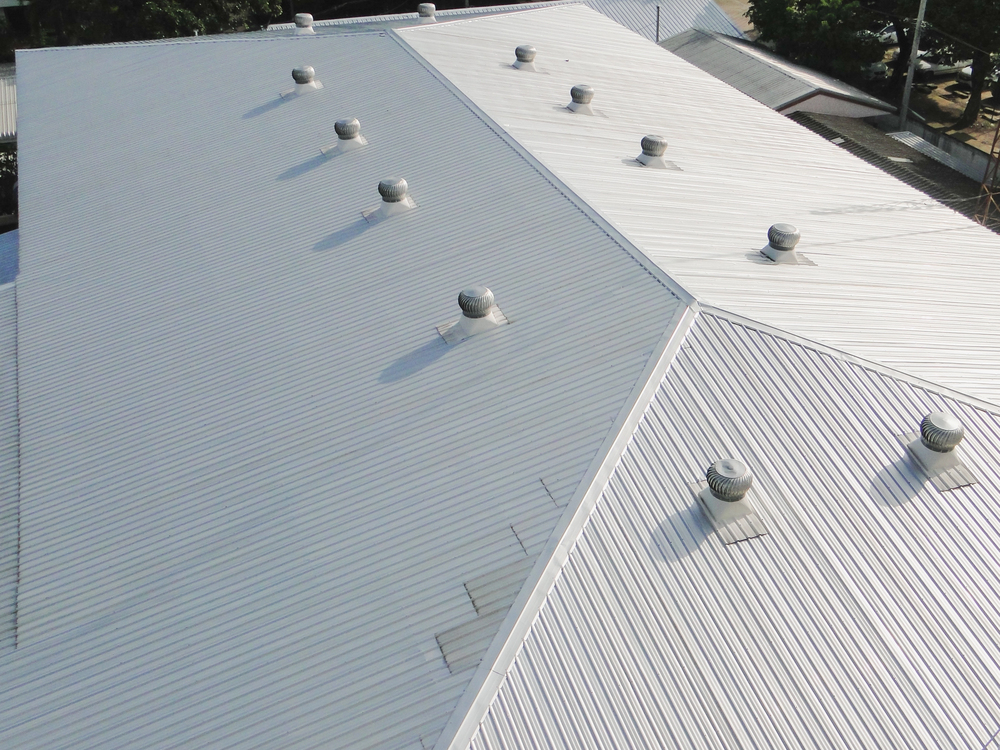
When business owners start researching commercial roofing systems, they quickly realize there are several options available — and each one offers different benefits. The right roof protects your building, improves energy efficiency, and safeguards your long-term investment. At Davis Brothers Roofing, we help companies throughout our region understand their options and choose solutions that match their structure, budget, and performance goals.
If you’re considering a new commercial roof or replacement, we’re here to help. Call Davis Brothers Roofing at 423-357-7190 to schedule a professional consultation and get expert guidance on the best system for your property.
What Are Commercial Roofing Systems?
Commercial roofing systems are specifically designed for flat or low-slope buildings such as warehouses, office complexes, retail centers, medical facilities, and industrial properties. Unlike residential roofing, which often uses shingles and steep slopes, commercial roofs rely on specialized membranes and layered materials to create watertight protection over large surface areas.
Because flat roofs don’t shed water as quickly as pitched roofs, proper drainage, installation, and material selection are critical. Choosing the right system can prevent leaks, reduce maintenance costs, and extend the overall lifespan of your building.
Types of Commercial Roofing
There are several types of commercial roofing available today. Each system has its own strengths depending on the building’s size, usage, and exposure to weather.
TPO Roofing for Commercial Buildings
TPO roofing for commercial buildings is one of the most popular options we install. TPO (thermoplastic polyolefin) is a single-ply membrane known for its energy efficiency and reflective surface.
Benefits of TPO include:
- Heat-reflective properties that reduce cooling costs
- Strong resistance to UV rays
- Flexible material that handles expansion and contraction
- Cost-effective installation
For many businesses looking for durability and energy savings, TPO offers an excellent balance of performance and affordability.
EPDM Commercial Roofing
EPDM commercial roofing is a durable synthetic rubber membrane that has been used for decades. It’s especially known for its flexibility and ability to withstand temperature fluctuations.
Key advantages of EPDM include:
- Long lifespan
- Strong resistance to hail and weather
- Low maintenance requirements
- Proven performance record
This system works particularly well for larger commercial buildings where durability and reliability are top priorities.
Built-Up Roofing System (BUR)
A built-up roofing system (BUR) consists of multiple layers of asphalt and reinforcing fabrics. This layered design creates a thick, highly waterproof surface.
BUR systems offer:
- Excellent waterproofing
- Added durability from multiple layers
- Strong resistance to foot traffic
- Long-term performance for flat roof materials for businesses
For buildings that require heavy-duty protection, BUR remains a dependable option.
PVC Commercial Roofing Membrane
A PVC commercial roofing membrane is another single-ply system known for its strength and chemical resistance. It’s especially beneficial for restaurants or industrial buildings where grease or chemicals may be present.
PVC roofing offers:
- Exceptional seam strength
- Resistance to chemicals and fire
- Energy-efficient reflective surface
- Long lifespan when properly maintained
For certain commercial applications, PVC delivers both durability and protection against harsh conditions.
Comparing Commercial Roofing Systems
When we provide a commercial roofing material comparison for our clients, we focus on several important factors:
- Installation cost
- Expected lifespan
- Energy efficiency
- Maintenance requirements
- Building usage
- Climate exposure
There isn’t a one-size-fits-all answer. The best roof depends on your structure, your operational needs, and your long-term financial goals. That’s why professional evaluation matters before making a decision.
How to Choose a Commercial Roof System
If you’re wondering how to choose a commercial roof system, we recommend considering:
- The size and design of your building
- Your budget and long-term ROI goals
- Energy efficiency priorities
- Tennessee’s seasonal weather conditions
- Maintenance expectations
We always perform a thorough inspection and discuss your business goals before recommending a solution. Our job isn’t to sell you the most expensive system — it’s to help you invest wisely in a roof that performs reliably for years.
Why Choose Davis Brothers Roofing?
When it comes to installing and servicing commercial roofing systems, experience matters. At Davis Brothers Roofing, we bring hands-on expertise, industry knowledge, and a commitment to quality workmanship to every project.
Here’s what sets us apart:
- Extensive experience with TPO, EPDM, BUR, PVC, and other flat roof materials for businesses
- Honest recommendations based on your building’s needs
- Skilled installation that prioritizes long-term durability
- Thorough inspections and clear communication
- A strong local reputation for reliability and service
We understand that your commercial roof protects more than just a building — it protects your operations, employees, and bottom line. That’s why we approach every project with care and professionalism.
Schedule Your Commercial Roofing Consultation Today
Choosing the right commercial roofing system is one of the most important decisions you can make for your property. The right material and proper installation can mean decades of dependable protection, lower energy bills, and fewer unexpected repairs.
At Davis Brothers Roofing, we’re here to guide you through the process, explain your options clearly, and deliver results you can trust.
Ready to protect your commercial property with the right solution? Call Davis Brothers Roofing at 423-357-7190 today to schedule your commercial roofing consultation. We look forward to helping you find the system that fits your business best.
For more roofing tips and expert advice, please follow us on Facebook and Instagram.