
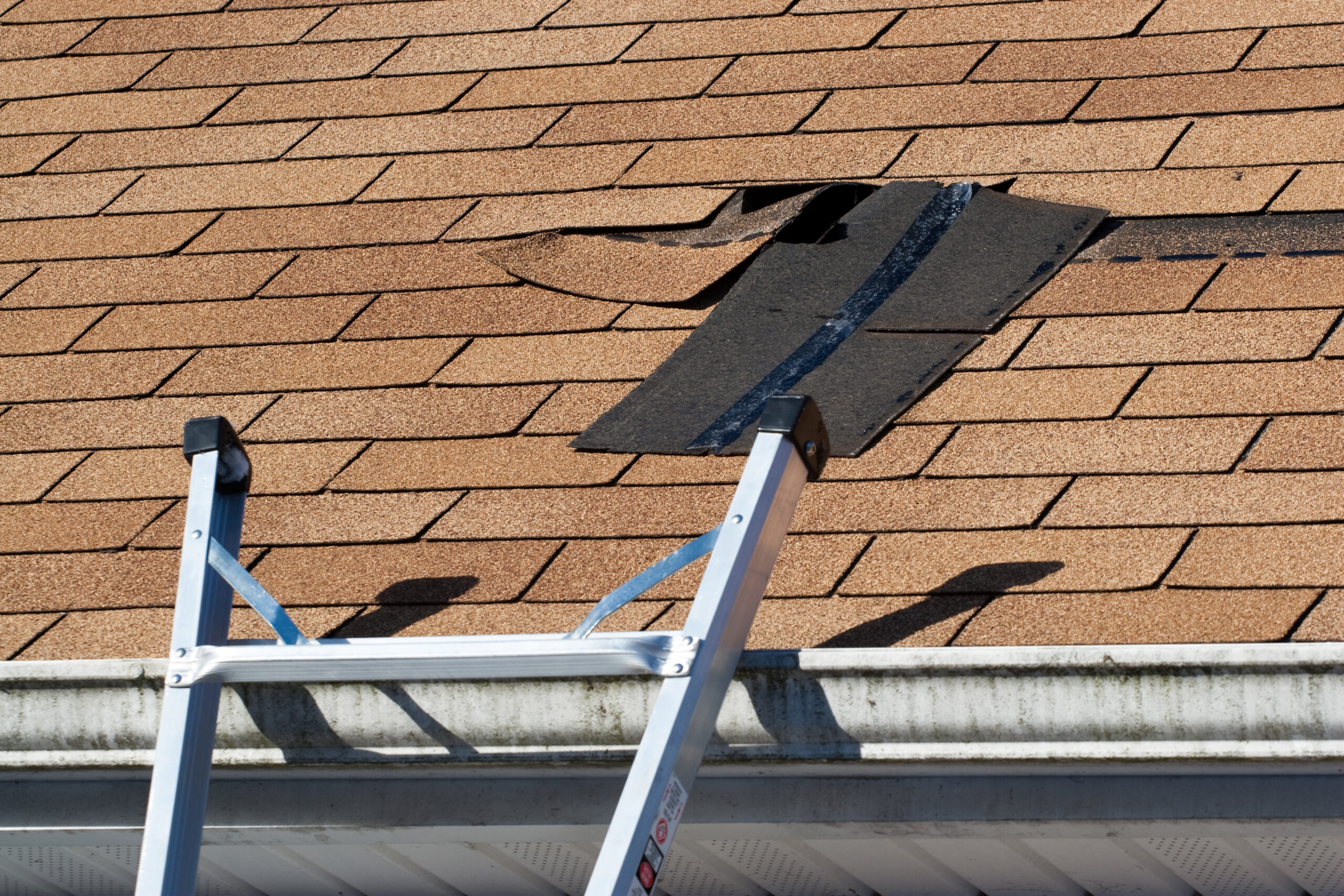
After a windstorm passes, it’s easy to assume your roof escaped without any issues if you don’t see missing shingles or obvious damage from the ground. However, hidden wind damage on your roof can occur even during moderate storms, leaving your home vulnerable to leaks and costly repairs later. At Davis Brothers Roofing, we’ve helped homeowners identify roofing issues before they become major problems for more than 40 years. If you’ve recently experienced strong winds, don’t wait until water starts dripping from your ceiling. Call us today at 423-357-7190 to schedule a professional roof inspection.
What Is Hidden Wind Damage?
Wind doesn’t always tear shingles completely off your roof. In many cases, it weakens the roofing system in ways that aren’t immediately visible. Strong gusts can lift shingles just enough to break their seal, bend flashing around chimneys and vents, or loosen roofing components without creating noticeable holes.
These subtle problems often allow moisture to work its way beneath the roofing materials over time. By the time homeowners notice a leak, the damage may have already spread to the decking, insulation, or even the interior of the home.
That’s why we encourage homeowners to schedule a professional inspection after severe weather instead of relying solely on a visual inspection from the ground.
Signs of Wind Damage on Roof
While some damage remains hidden, there are several warning signs homeowners should watch for after a storm. Identifying these issues early can prevent more expensive repairs later.
Look for:
- Curled, lifted, or creased shingles
- Missing roofing granules collecting in gutters
- Loose or damaged ridge caps
- Bent or separated flashing around vents and chimneys
- Fallen tree limbs or debris on the roof
- Loose gutters or fascia boards
- Water stains on ceilings or walls inside your home
If you notice any of these signs of wind damage on roof, it’s important to have your roof professionally evaluated as soon as possible.
Why Wind Damaged Shingles Should Never Be Ignored
Even if only a few shingles appear affected, wind damaged shingles can quickly lead to larger roofing problems.
Once a shingle loses its seal or becomes partially lifted, rainwater can penetrate beneath the roofing system. Over time, this moisture may cause:
- Roof leaks
- Mold and mildew growth
- Rotting roof decking
- Damaged insulation
- Shortened roof lifespan
Prompt repairs help protect both your roof and the rest of your home while preventing relatively minor damage from turning into a much larger project.
What to Expect During a Roof Wind Damage Inspection
Many homeowners aren’t sure what happens during a professional roof wind damage inspection. Our experienced team performs a thorough evaluation of every major roofing component.
During our inspection, we typically:
- Examine shingles for lifting, creasing, and missing granules.
- Check flashing around chimneys, skylights, and roof penetrations.
- Inspect ridge vents and ventilation systems.
- Evaluate gutters, fascia, and soffits for storm-related damage.
- Look inside the attic for moisture, leaks, or daylight penetration.
- Document any storm damage that may be useful for insurance claims.
Our goal is to identify both visible and hidden problems before they have the opportunity to worsen.
Roof Repair After Wind Storm: What Are Your Options?
The right solution depends on the extent of the damage.
Sometimes a simple repair is all that’s needed. Replacing a few damaged shingles or repairing flashing may restore your roof’s integrity if the damage is isolated.
In other situations, more extensive roof repair after wind storm conditions may require replacing larger sections of roofing or even installing a new roof if widespread damage has compromised the entire system.
We always provide honest recommendations based on the actual condition of your roof so you can make an informed decision.
When Tennessee Homeowners Should Schedule an Inspection
Strong winds aren’t limited to major hurricanes. Thunderstorms, straight-line winds, and seasonal weather systems can all damage roofing materials.
We recommend scheduling roof storm damage repair Tennessee homeowners can trust if:
- Your area experienced high winds or severe thunderstorms.
- Nearby homes suffered roof damage.
- Tree limbs or debris struck your roof.
- You notice loose shingles or damaged gutters.
- It’s been several years since your last professional roof inspection.
Even if your roof appears normal from the ground, hidden damage may still exist.
Why Choose Davis Brothers Roofing?
Since 1983, we’ve proudly helped homeowners protect their investments with dependable roofing services and honest advice. As an Owens Corning Platinum Preferred Contractor, we meet some of the highest standards in the roofing industry while delivering exceptional workmanship on every project.
Homeowners throughout Church Hill, Tennessee, and surrounding communities trust us because we provide:
- More than 40 years of roofing experience
- Fast response times and prompt scheduling
- Thorough inspections with honest recommendations
- Skilled craftsmanship using quality roofing materials
- Outstanding customer service from start to finish
Whether you need a roof inspection Church Hill TN, are searching for an experienced roofing contractor Lexington KY, or require repairs after severe weather, our team has the knowledge and experience to help.
Protect Your Home by Addressing Hidden Wind Damage on Your Roof
Hidden roof damage rarely gets better on its own. Small issues can gradually become leaks, structural damage, mold growth, and expensive repairs if they’re left untreated. Having your roof professionally inspected after strong winds gives you peace of mind and allows problems to be addressed before they become major headaches.
If you believe your home may have hidden wind damage on your roof, don’t wait for visible leaks to appear. Contact Davis Brothers Roofing today by calling 423-357-7190 to schedule your professional roof inspection. We’re here to help protect your home with trusted roofing solutions backed by decades of experience.